How to Evaluate Snowmass Village Rental Income Potential
If you are thinking about buying a rental property in Snowmass Village, it is easy to focus on the headline number: nightly rate. But in a resort market with strong winter and summer demand, legal rules, taxes, and guest expectations can matter just as much as the rate you charge. If you want a clearer way to evaluate rental income potential in Snowmass Village, this guide will walk you through the factors that shape revenue, risk, and long-term performance. Let’s dive in.
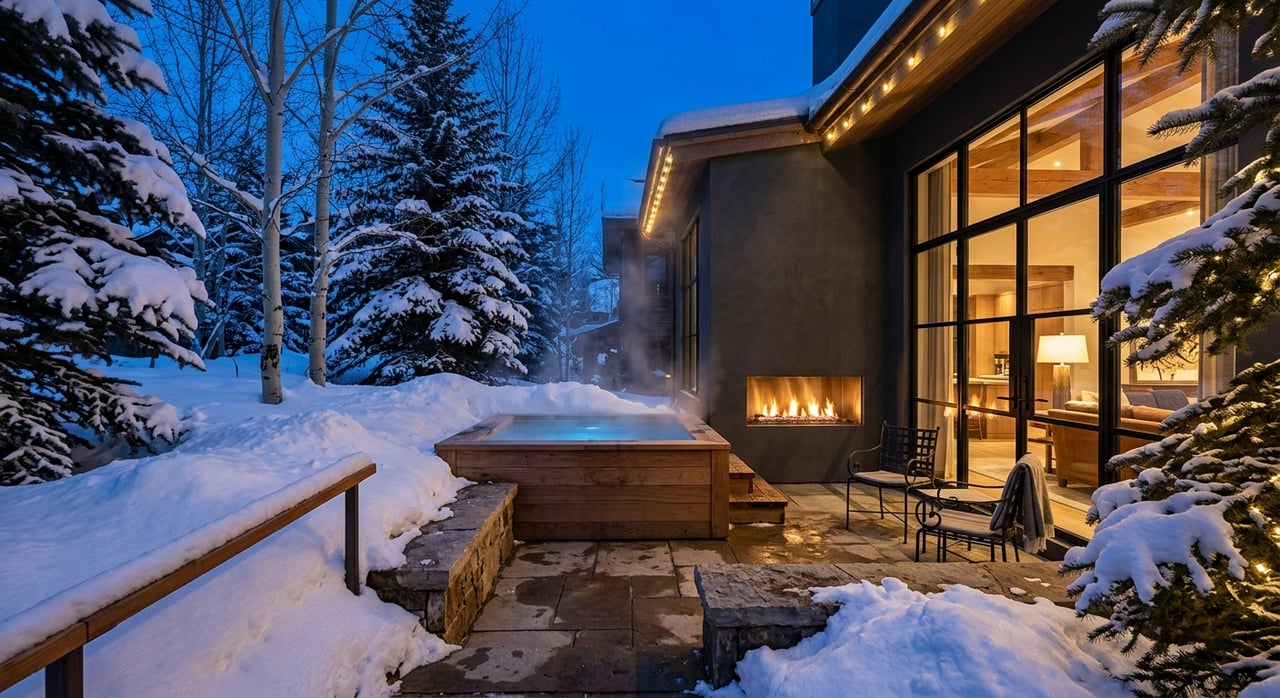
Snowmass Village is a seasonal resort market with two major demand windows. Winter typically runs from Thanksgiving through mid-April, and summer operations in Snowmass run from June 21 through early October. That means rental income is often tied closely to when the mountain, trails, lifts, and event calendar are active.
This matters because a property can perform very differently across the year. You may see strong winter bookings tied to ski demand, then another wave of summer interest driven by mountain activities and events. Looking only at an annual revenue estimate can hide those seasonal swings.
During ski season, proximity and convenience tend to matter most. Guests coming for skiing often value easy access to lifts, village amenities, and transportation. In a market like Snowmass Village, location can directly affect occupancy and pricing power.
Snowmass Tourism notes that the village is about 6 miles from Aspen/Pitkin County Airport and about 9 miles from Aspen. The area also offers free shuttles and a car-light guest experience, which can make well-located properties more attractive to visitors who want a smoother arrival and stay.
Snowmass is not just a winter market. Official Snowmass materials highlight summer attractions including the Bike Park, Lost Forest, Elk Camp Gondola, and more than 90 miles of hiking, biking, and equestrian trails. Recurring events such as the Free Concert Series and Snowmass Rodeo also help support summer visitation.
For owners and buyers, that second season can be meaningful. A property that performs well in both ski season and summer adventure season may offer a more balanced income profile than one that relies mainly on winter demand.
Not every property in Snowmass Village fits the short-term rental market in the same way. The town separates short-term rental permit categories into hotel, multi-family A, multi-family B, and single-family/duplex. Before you underwrite any income, you need to confirm what is legally allowed for that specific property.
This is one of the most important starting points. Revenue potential depends not only on demand, but also on permit type, minimum stay rules, occupancy limits, and any HOA restrictions that may apply.
Guest expectations in Snowmass often lean toward amenity-rich lodging. Snowmass Tourism highlights features such as pools, fitness facilities, shuttle service, onsite dining, lobby bars, and outdoor firepits. Aspen Snowmass also describes hotel and lodge-style inventory as offering enhanced service levels like front desk check-in, housekeeping, concierge, and maintenance.
That matters when comparing properties. A condo or residence with convenient access and competitive amenities may be better positioned to meet what guests already expect from the Snowmass lodging market.
For single-family homes and duplexes, the rental model can look different. Snowmass short-term rental rules impose a four-night minimum stay on single-family homes and duplexes, and occupancy is capped by bedroom count.
In practice, that can favor longer group or family stays over shorter, high-turnover bookings. If you are evaluating a larger home, it is smart to think about bedroom count, sleep capacity, parking, and how the home supports a longer-stay guest experience.
In most resort markets, location has a strong effect on rental performance, and Snowmass is no exception. Snowmass Tourism says that 95% of lodging is slopeside, and Aspen Snowmass similarly markets Snowmass as heavily ski-in/ski-out. That creates a market where easy mountain access is a core part of the guest experience.
Because of that, buyers should weigh more than just square footage or finishes. A property that is slopeside, walkable to lifts, or well-served by shuttle access may have a stronger competitive position than one that feels more isolated.
When reviewing a property, consider questions like these:
These details can influence both occupancy and average nightly rate, especially during peak ski and summer periods.
In Snowmass Village, gross rental income is only part of the story. The town requires a business license and a short-term rental permit for rentals under 30 days. The current permit fee is $400, permits expire on April 30 each year, and a new permit is required when ownership changes.
Those details matter for buyers because compliance is not optional. If a property changes hands, the short-term rental setup does not simply carry over without review.
Snowmass Village publishes a 10.65% sales tax and a 13.05% lodging-tax burden on stays under 30 days. The town also states that the 2.4% lodging tax applies to sleeping accommodations for fewer than 30 days, while accommodations of 30 days or more are exempt from lodging tax.
This can meaningfully affect your underwriting. If you are comparing short stays with longer seasonal stays, the tax treatment may be one factor in how you model income.
The town states that Airbnb and VRBO no longer remit sales or lodging taxes on the owner's behalf. Regulations also require the permit number to appear on listings, monthly filing of sales and lodging taxes, and a designated local owner representative who can respond 24/7/365 within 60 minutes.
For many owners, this is where operational complexity becomes real. A strong revenue projection should account for the time, systems, and support needed to stay compliant and protect the permit.
A realistic Snowmass Village rental analysis should move beyond top-line revenue. Strong gross income can still produce disappointing net results if taxes, housekeeping, management, HOA dues, insurance, permit costs, or turnover logistics are heavier than expected.
That is why disciplined underwriting matters. Looking at net performance helps you compare opportunities more clearly and avoid overvaluing a property based on optimistic rent alone.
When evaluating rental income potential, make room for costs such as:
Even in a strong resort market, these line items can materially affect what you actually keep.
To compare properties more effectively, it helps to track a few core hospitality metrics. The most useful starting points are occupancy, ADR, and RevPAR.
ADR, or average daily rate, measures the average paid for sold rooms or nights. RevPAR, or revenue per available room, combines both rate and occupancy, making it a useful way to see how well a property is actually performing.
In Snowmass Village, these metrics are more useful when you review them by season rather than only by year. Winter ski demand, summer adventure demand, and shoulder season each behave differently.
A property may look healthy on an annual average while still underperforming during one key part of the year. Seasonal review can help you spot whether a unit is truly competitive or simply benefiting from one strong demand period.
Before you buy a Snowmass Village property for rental use, it helps to pressure-test the opportunity. A thoughtful diligence process can save you from surprises after closing.
Start with the legal and operational basics, then work into guest fit and financial performance.
These are simple questions, but they can reveal a lot about whether a property fits your goals.
In Snowmass Village, rental income potential is about much more than a high nightly rate. The properties that tend to stand out are the ones that combine legal short-term rental eligibility, strong access to the mountain or shuttle network, a layout that matches guest demand, and an experience that feels aligned with Snowmass’s resort-oriented lodging market.
If you are weighing a condo, duplex, or larger home, a clear-eyed review of seasonality, permit rules, taxes, and operations can help you make a more confident decision. For tailored guidance on Snowmass Village rentals, acquisitions, and property strategy, connect with The Burggraf Group Will And Sarah Burggraf.
Working with Will and Sarah Burggraf means expert guidance through Aspen real estate. With 30+ years of experience, they offer personal, informed, and dedicated service.