Choosing Between Old Snowmass And Snowmass Village Homes
Trying to decide between Old Snowmass and Snowmass Village? It is a common question, especially if you want a home that fits both your lifestyle and the way you plan to use the property over time. The right choice often comes down to whether you want resort convenience or rural privacy, and understanding that difference can make your search much clearer. Let’s dive in.
At a high level, Snowmass Village and Old Snowmass offer two very different living environments.
Snowmass Village is an incorporated municipality in Pitkin County built around the resort experience. It includes the Snowmass Ski Resort and offers town services, transit options, dining, shopping, entertainment, and year-round activity.
Old Snowmass, by contrast, is the rural, unincorporated side of the valley. Pitkin County planning documents describe the area as predominantly rural and agricultural, with open meadows, pastures, wildlife habitat, and land uses such as livestock grazing, equestrian activity, and irrigated farming.
In Snowmass Village, the housing mix tends to be more resort-oriented. The local inventory often includes condos, townhomes, slopeside lodging, duplexes, and detached homes, reflecting a market shaped by ski access and seasonal use.
This usually creates a ski-town residential feel. If you picture living near lifts, village services, and a more managed setting, Snowmass Village often aligns with that vision.
Old Snowmass tends to feel more land-focused than density-focused. County planning and open-space information point to a setting defined by large lots, rural character, protected open land, pasture, and trail access.
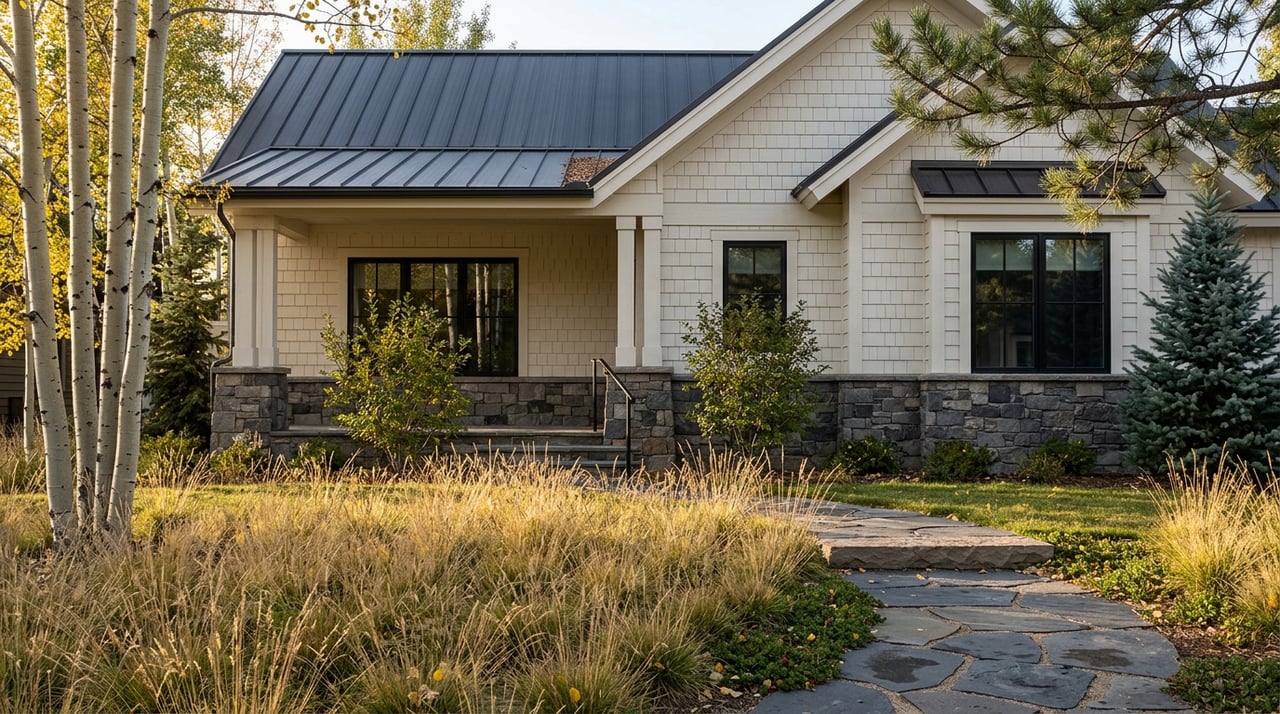
In practical terms, homes here often appeal to buyers looking for acreage, privacy, and a more estate or ranch-style environment. The setting is typically less about being close to a central base area and more about space, scenery, and separation.
If convenience is high on your list, Snowmass Village has a clear advantage. The town operates a Village Shuttle, offers on-demand curb-to-curb service within Snowmass Village, and maintains park-and-ride facilities with free bus service to Snowmass Village, Aspen, and the slopes.
That transportation network can make day-to-day movement easier, especially if you want quick access to skiing, dining, shopping, and village activities without relying entirely on your car. For many second-home buyers, that built-in convenience is a major benefit.
Old Snowmass is more road-oriented and rural. Pitkin County planning guidance emphasizes that roads in the area should remain rural roads, and the area is closely tied to open land, trailheads, and access to the surrounding backcountry landscape.
This setting often appeals to buyers who enjoy a quieter drive, more distance from commercial activity, and closer proximity to trail systems, river corridors, and open space. If your ideal day starts with privacy and room to spread out, Old Snowmass may feel more natural.
For buyers who want the easiest skiing routine, Snowmass Village is typically the more convenient option. The resort setting, gondola access, village base area, and shuttle services all support a lifestyle centered on quick mountain access and nearby amenities.
Old Snowmass can still work well if skiing is part of your routine, but it usually requires a more drive-based approach. The tradeoff is that you gain a setting that feels more removed, private, and connected to the valley’s rural character.
Old Snowmass generally stands out for privacy, acreage, and a quieter pace. County planning for the Snowmass-Capitol Creek area emphasizes preserving large-lot residential character, agricultural uses, and open space, which shapes the overall feel of the area.
Snowmass Village can still offer private homes, but the broader environment is more active and service-oriented. If you want a home that feels tucked into a resort community, Snowmass Village may fit. If you want a home that feels more like a private retreat, Old Snowmass often makes more sense.
Snowmass Village often suits buyers who want frequent personal use with possible rental flexibility. The town’s short-term rental framework includes categories such as hotel, multi-family, single-family home, and duplex, and the town also has a housing department that supports a broader mixed residential and resort structure.
That does not mean every property works the same way, but it does mean the local framework is built around a market where seasonal use and rental activity are part of the landscape. For buyers considering a second home with flexibility, that can be an important factor.
Old Snowmass often aligns more naturally with longer-stay private ownership, acreage living, or ranch-style use. In unincorporated Pitkin County, short-term rentals require a license, a 4-night minimum, and a 120-night maximum.
Paired with the area’s rural planning goals, that framework tends to support lower-turnover ownership rather than highly resort-style rental use. For some buyers, that is a benefit because it reinforces the private, low-density nature of the area.
One of the biggest differences is not just the homes themselves, but the way each area is organized.
Snowmass Village functions as an actively managed municipality with its own transit, housing programs, and planning systems. Old Snowmass is shaped more by county governance, rural road patterns, open-space priorities, and agricultural land-use guidance.
That difference can affect how a property feels over time. If you prefer structured services and a town-centered environment, Snowmass Village may feel more seamless. If you value rural land patterns and a less managed setting, Old Snowmass may be the better match.
If your priorities include lift access, resort amenities, managed transportation, and a home that works well as a seasonal base, Snowmass Village is often the stronger fit.
If your priorities include privacy, quiet, acreage, pastoral scenery, and a home that feels more like a long-term retreat or estate property, Old Snowmass is often the better choice.
Neither option is universally better. The right answer depends on how you want to live in the home, how often you plan to use it, and whether you are drawn more to resort convenience or rural space.
Choosing well starts with seeing these differences clearly in person and understanding how each setting supports your goals. If you want help comparing properties, ownership patterns, and lifestyle fit across the valley, connect with The Burggraf Group Will And Sarah Burggraf for a private consultation.
Working with Will and Sarah Burggraf means expert guidance through Aspen real estate. With 30+ years of experience, they offer personal, informed, and dedicated service.