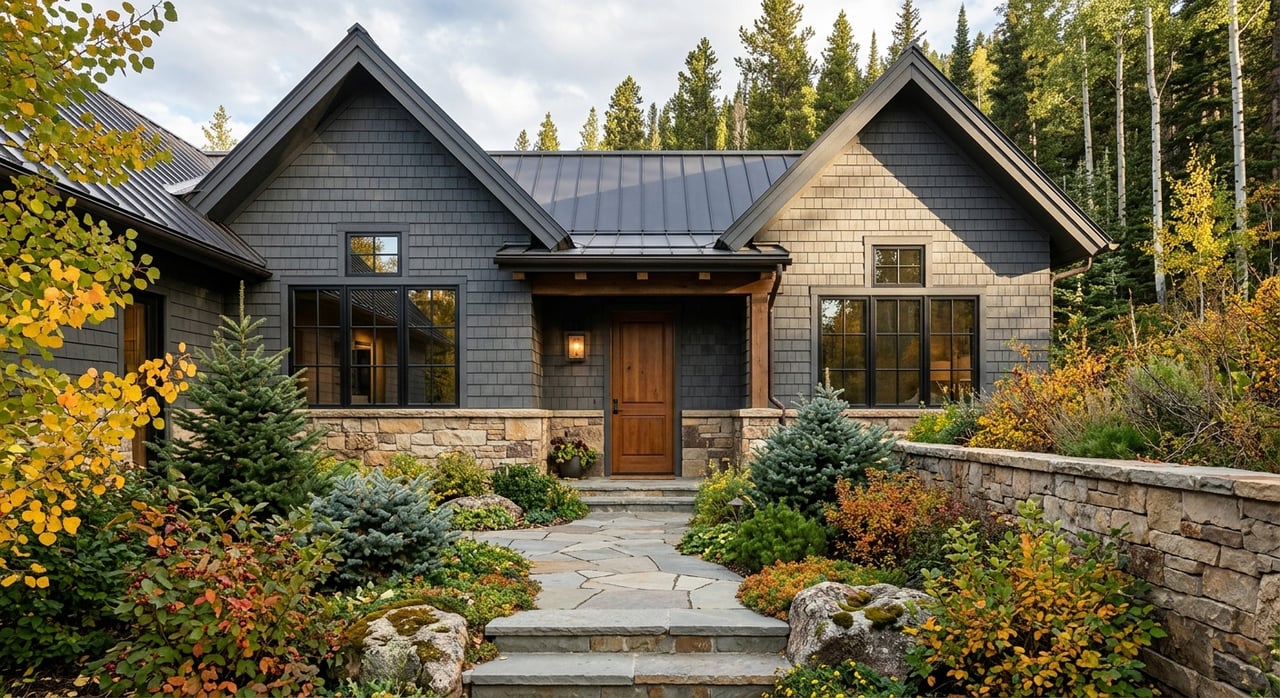
Aspen Neighborhood Comparison for Core, West End, and Red Mountain Buyers
If you are deciding where to buy in Aspen, the biggest question is often not whether to buy, but where. Aspen Core, West End, and Red Mountain each offer a very different ownership experience, from walkable downtown living to quiet historic streets to private hillside estates. Understanding how these areas differ can help you focus your search, set realistic expectations, and choose the setting that fits how you want to live. Let’s dive in.
At a high level, these three areas sit on a clear ladder of lifestyle, housing type, and pricing. Recent neighborhood snapshots showed a median sale price of $2.4 million in Downtown Aspen/Core in March 2026, $9.35 million in West End in March 2026, and $30.2 million in Red Mountain in January 2026.
That price spread reflects more than size alone. Aspen planning priorities, land use patterns, and neighborhood character shape what you can buy, how you will use it, and what kind of day-to-day experience you can expect.
Aspen Core is the center of town life. This is where you will find Victorian-style buildings, luxury shopping, restaurants, art, parks, and access to the Silver Queen Gondola.
If your ideal Aspen day starts with walking to coffee, dinner, galleries, or the gondola, the Core stands apart. The city also treats this area as a congestion-sensitive, high-traffic district, which shows up in parking rules and construction limits.
In the Core, housing leans toward condos, townhomes, penthouses, and mixed-use historic buildings rather than larger homes on sizable lots. Current listings range from about $2.3 million for a one-bedroom condo to about $24.995 million for a four-bedroom townhome.
For many buyers, that means trading land and privacy for convenience and access. If you want to lock and leave more easily or spend less time driving, that can be a meaningful advantage.
The Aspen Core can be a strong fit if you value being close to everything. It can also require comfort with a more regulated environment, especially if a property falls within a historic district.
Historic district rules can affect exterior work and, in some cases, certain interior changes. If you are remodel-minded, it is important to understand review requirements early in the process.
West End offers a different feel from the Core. It is known as a quiet residential district with tree-lined boulevards and a setting close to Aspen Meadows, the Aspen Institute, and the Wheeler/Stallard Museum campuses.
The pace here tends to feel more residential than commercial. Aspen Public Radio describes stately older homes, many without sidewalks, and notes that the neighborhood becomes more active in summer.
The housing stock in West End includes Victorian and midcentury homes, larger lots, and occasional redevelopment or fixer-upper opportunities. Historic streets, ditches, and alleys are part of the neighborhood’s character.
Current listings have ranged around $9.5 million to $16.8 million, with upper-end offerings above $39 million. Redfin reported a median sale price of $9.35 million in March 2026.
For buyers who appreciate architecture and legacy character, West End can be especially appealing. At the same time, historic properties here may be subject to preservation review.
That matters if you plan to renovate, expand, or significantly alter a home. The review process is part of what helps preserve the neighborhood’s historic identity, but it can also shape your timeline and design options.
Red Mountain sits north of Aspen in unincorporated Pitkin County. It is widely associated with views, privacy, and a more estate-style setting.
This is not the choice buyers typically make for walkability. It is the choice many make when site quality, outlook, and separation from the activity of town rise to the top of the list.
Housing on Red Mountain is mostly made up of large single-family homes and luxury estates. The area includes postwar and contemporary hillside homes, and current listings reflect a very high-end market.
Examples in the current market include homes in the $19 million to $25 million range, as well as a $70 million estate with seven bedrooms, eleven bathrooms, 11,655 square feet, and three acres. Redfin reported a median sale price of $30.2 million in January 2026.
Red Mountain brings a different planning context from Aspen Core and West End. County documents note that Red Mountain Road climbs the lower half of the mountain to the Hunter Creek Valley, and wildfire planning identifies the area as one way in and one way out.
For buyers, that means hillside conditions, access, and site-specific considerations deserve close attention. If you are comparing a Red Mountain estate to an in-town property, the decision often comes down to whether you value privacy and views more than immediate access to downtown amenities.
If you put these three areas side by side, the differences become easier to see.
| Area | Typical Appeal | Housing Pattern | Recent Median Sale Price |
|---|---|---|---|
| Aspen Core | Walkability and convenience | Condos, townhomes, mixed-use historic buildings | $2.4M |
| West End | Residential feel and historic character | Victorian and midcentury homes, larger lots | $9.35M |
| Red Mountain | Views, privacy, estate setting | Large single-family homes and luxury estates | $30.2M |
This comparison is useful, but your decision should also account for how you plan to use the property. A buyer seeking a low-maintenance in-town base may see the Core as the clearest fit, while a buyer focused on long-term estate ownership may naturally lean toward Red Mountain.
The right choice usually starts with your priorities rather than the map.
Choose Aspen Core if you want the most walkable lifestyle and easy access to dining, shopping, and the gondola. This area often works well for buyers who want convenience first and are comfortable with less land and more regulation.
Choose West End if you want a more residential setting with tree-lined streets and historic character, while still staying close to the center of town. This area can appeal to buyers who want a neighborhood feel without giving up Aspen access.
Choose Red Mountain if you care most about views, privacy, site quality, and the highest tier of luxury ownership. This area often fits buyers who see the property itself, and its setting, as the main event.
If you expect to update or personalize a property, neighborhood rules and physical site conditions matter just as much as the floor plan. In Aspen Core and West End, properties inside historic districts can require preservation review.
On Red Mountain, the issues are often different. Instead of historic preservation, buyers may need to think more about hillside siting, access, and the realities of owning in a lower-density mountain setting.
That is why two homes with similar asking prices can involve very different ownership paths after closing. Looking beyond finishes and square footage can help you make a more informed decision.
If you are weighing Aspen Core, West End, or Red Mountain, the best next step is to compare not just listings, but the lifestyle, review process, and long-term fit each area offers. For tailored guidance on Aspen neighborhoods, estate properties, and complex purchase decisions, connect with The Burggraf Group Will And Sarah Burggraf.
Working with Will and Sarah Burggraf means expert guidance through Aspen real estate. With 30+ years of experience, they offer personal, informed, and dedicated service.