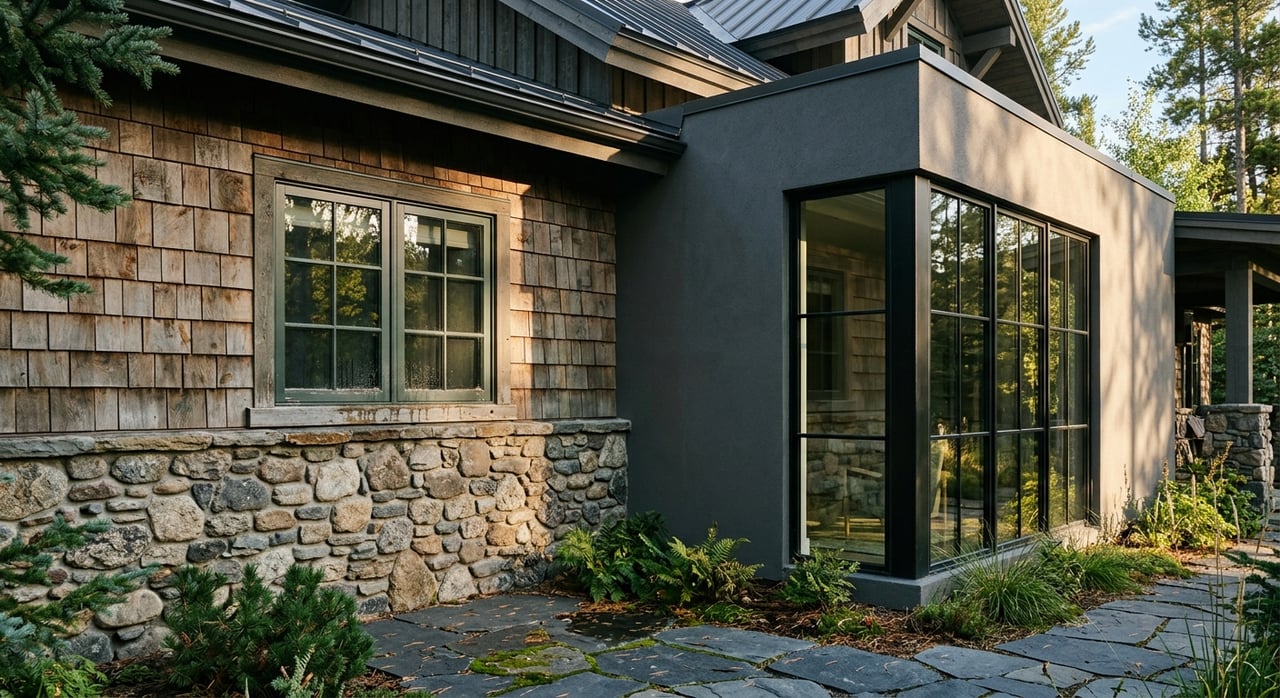
Aspen New Construction Versus Legacy Homes For Buyers
If you are deciding between a newly built home and a legacy property in Aspen, you are really deciding how you want to live, what kind of project you are willing to take on, and how much future flexibility matters to you. That choice can feel simple at first glance, but in Aspen it is shaped by historic preservation rules, permit timelines, energy standards, and redevelopment review. This guide will help you compare both paths with more clarity so you can move forward with confidence. Let’s dive in.
In Aspen, the difference between new construction and a legacy home goes beyond style or age. The city has a long-standing preservation culture, and that affects what owners can change over time.
Aspen has engaged in historic preservation since the early 1970s, and its planning framework emphasizes preserving historic architecture and maintaining the urban growth boundary. For you as a buyer, that means an older home may come with added design review or renovation constraints depending on where it is located and whether it is designated.
The first question is not just whether a home is old. It is whether the parcel is individually designated or located within a historic district on the City of Aspen Planning and Zoning map.
New construction in Aspen often appeals to buyers who want a home designed around current expectations from day one. That usually means updated systems, modern layouts, and alignment with newer building and energy standards.
The city adopted the 2021 I-Codes with local energy amendments for permits submitted after March 31, 2023. Aspen also expanded its Renewable Energy Mitigation Program and added measures focused on energy conservation, wildfire resiliency, and lower emissions.
In practical terms, a new build can be planned around electrification and efficiency from the start. Aspen also notes that its electric system has used 100% renewable energy since 2015, and the city points residents to incentives for high-efficiency heat pumps and CORE rebates.
For many buyers, that translates into fewer immediate upgrade decisions after closing. You are starting with current systems rather than inheriting past building standards.
New construction is not always the faster or simpler route. Aspen’s posted permit timelines show that major residential permits typically take 16 to 18 weeks for the first review round, with additional major review rounds taking 8 to 10 weeks each.
After that, final review is listed at about one week, and a certificate of occupancy or letter of completion can still take several weeks following final inspections. If you are buying land or planning a custom build, your timeline should account for months of review, not days.
Large projects may also trigger debris-management rules. Beginning February 13, 2025, projects with more than 2,000 square feet of disturbance area must comply with Aspen’s Construction and Demolition Debris Diversion Ordinance, including Green Halo tracking and a minimum 50% diversion threshold by final inspection.
Legacy homes attract buyers for different reasons. In Aspen, they often offer architectural character, a lived-in sense of place, and established settings that can be hard to replicate in a new build.
That appeal is real, but so is the review framework that can come with it. If a home is individually designated or located in a historic district, it is subject to historic preservation requirements and design standards.
Aspen states that demolition, exterior alteration, or new construction in a historic district must be reviewed and approved before work begins. The city also notes that some interior work, including HVAC replacement or penetrations through historic material, may require review and approval.
If you plan to renovate, timing and complexity matter. The Historic Preservation Commission reviews development, demolition, relocation, and variances for designated historic properties and properties in historic districts.
That means your renovation may require more than a typical design and construction process. You may need additional approvals before work starts, and Aspen requires contractors working on historic-preservation projects to hold an active city Historic Preservation Contractor License.
In everyday terms, a legacy home may involve a more specialized contractor pool, more planning, and more lead time. If your vision includes major changes, the real question is not only what you want to build, but what the city will approve.
In Aspen, a major remodel or teardown is not just a construction decision. It can also be a land-use and redevelopment decision.
The city’s Residential Demolition and Redevelopment Standards are intended to reduce environmental impacts, energy consumption, and carbon footprint. They call for lower-fuel reliance, sustainable materials, fully electric heating and cooling, water savings, and waste diversion.
Projects that trigger demolition must meet waste-diversion and energy-reporting requirements. Historically designated landmarks can receive exemptions when full compliance is not practical, but that does not remove the need for careful planning.
Aspen also states that demolition and redevelopment are reviewed through standards that include the Growth Management Quota System for single-family and duplex properties. For you as a buyer, that means a legacy property with redevelopment potential should be evaluated through both a design lens and an approval lens.
The cleanest way to compare new construction and legacy homes in Aspen is to think about lifestyle, timeline, and project tolerance. Both can be compelling, but they serve different priorities.
If you want current systems, alignment with modern energy standards, and fewer immediate upgrade questions, new construction may fit more naturally. If you value character, established context, and the possibility of reshaping a property over time, a legacy home may be the better match.
The tradeoff is that legacy properties often require more diligence around what can be changed later. In Aspen, future flexibility may be shaped by historic preservation, land-use review, demolition standards, and permit timing.
| Factor | New Construction | Legacy Home |
|---|---|---|
| Building standards | Built to current codes for eligible permits | May reflect older standards |
| Energy planning | Easier to design around current efficiency goals | Upgrades may require review |
| Character | Often more contemporary in execution | Often offers historic or established character |
| Approval process | Can involve long permit timelines | May involve preservation review plus permit review |
| Renovation potential | Limited need for near-term renovation | Potentially meaningful, but approval dependent |
| Contractor needs | Standard project team, depending on scope | May require specialized historic-preservation contractor licensing |
Before you move forward on either type of property, it helps to ask targeted questions early. In Aspen, these questions can save time, reduce surprises, and sharpen your budget assumptions.
Budget matters in every market, but in Aspen the key issue is often not just purchase price. It is the full cost of achieving the home you actually want.
The city notes that permit fees are project-specific and can change as plans change. If you are considering a remodel, rebuild, or custom home, your budget should include room for design review, permit review, mitigation fees, and possible plan revisions.
That is especially important with legacy homes. A home that looks attractive at the right entry price may still require substantial time, coordination, and compliance costs to reach your desired finish level.
In Aspen, the decision is not simply new versus old. It is whether you want a property built around current standards and systems, or a home with established character that may come with more review and planning.
For many buyers, the right answer comes down to how much certainty, customization, and process you want to take on. A thoughtful purchase in Aspen starts with understanding not only the home as it stands today, but also what the property allows you to do next.
If you want a clear-eyed view of how a specific Aspen property fits your goals, timelines, and risk tolerance, connect with The Burggraf Group Will And Sarah Burggraf for a private consultation.
Working with Will and Sarah Burggraf means expert guidance through Aspen real estate. With 30+ years of experience, they offer personal, informed, and dedicated service.