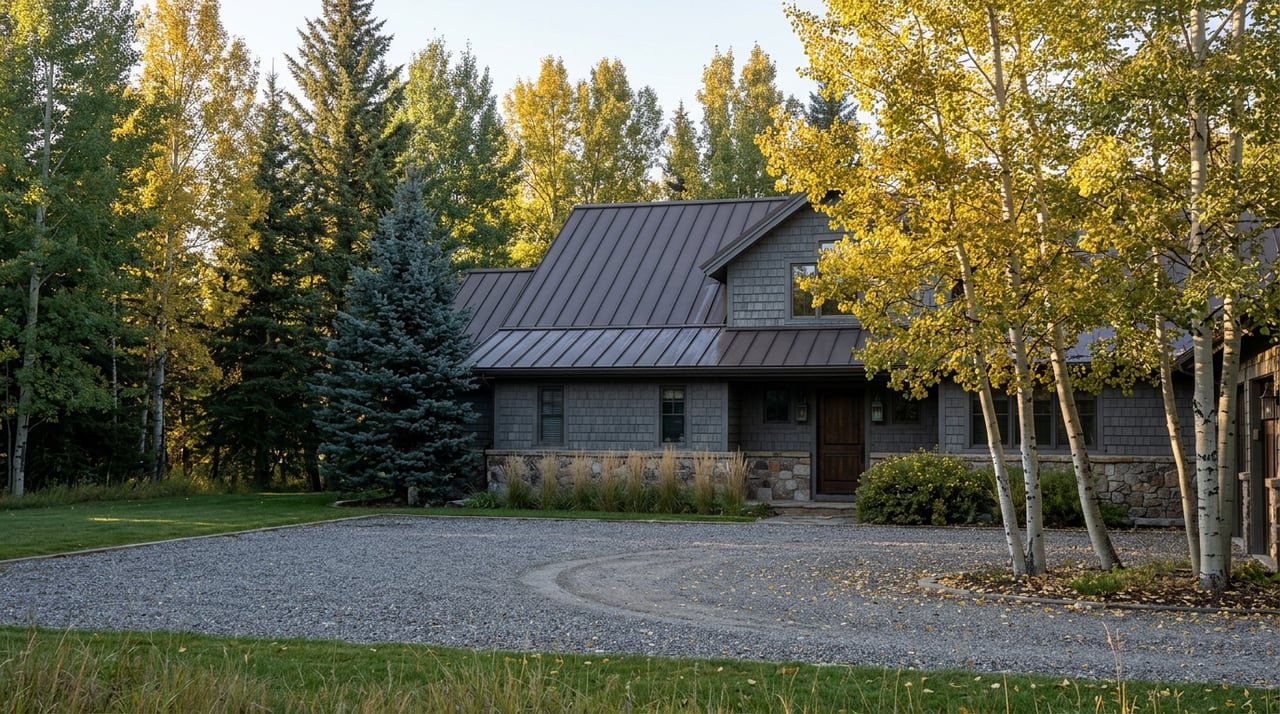
Why Aspen's Fall Color Might Not Last Until Filmfest This Year
Walk the lower half of the Hunter Creek Trail this week and you'll already see it: patches of yellow breaking up the green, weeks before most locals expect it. If your plan has been to wait for a free weekend around the Aspen Words Literary Festival or Filmfest to go looking for color, this year that plan has a problem.
Ask most longtime residents when to catch peak color and you'll get some version of the same answer: third or fourth week of September, running into the middle of October. That's not folklore. It's the standing guidance from the Aspen Chamber and from local lodging operators who track this every year, and it's shaped how people here schedule their fall. You don't have to rush. There's a wide enough window that the Saturday you're free for a drive up Castle Creek Road is very likely to also be a good Saturday for color.
That assumption is doing a lot of quiet work on the local calendar. It's why nobody blinks at a fall lineup where the literary festival, the film festival, a half marathon, and a historical society picnic are all packed into the same ten days at the end of September. In a normal year, the leaves are patient enough to still be there when the crowds show up for all of it.
This isn't a normal year. Aspen Times reporting from late August, drawing on OpenSnow meteorologist Alan Smith, put peak color at roughly September 16 through 30, an earlier window than the loose "third or fourth week into mid-October" guidance most people carry around. The reason is drought. Colorado has seen worse statewide drought and unusually warm conditions this year compared to last, and that combination is pushing trees to shed early rather than hold their color.
Adam McCurdy, forest and climate director at the Aspen Center for Environmental Studies, described what that looks like on the ground: "This isn't the normal, prolonged and orderly shutdown that trees typically go through in the fall." Drought-stressed aspens skip the slow transition through the full range of gold and orange. They go duller, and they drop faster. The practical effect isn't just less vibrant color. It's less time to see it.
That's the piece the generic "best time for fall foliage in Aspen" post won't tell you, because that post was written for a typical year and this isn't one.
| Typical year | This year (2026) | |
|---|---|---|
| Expected peak window | 3rd/4th week of September into mid-October | September 16 to 30 |
| Leaf longevity at lower elevations | Color lingers into October | Earlier drop, shorter season expected |
| Color quality | Full range of gold, orange, red | Likely duller, more yellow-brown, per drought-stress pattern |
| Driving factor | Elevation and shortening days | Elevation, shortening days, plus statewide drought stress |
The middle column is the one that matters for planning. In a typical year, "mid-October" is still inside the safe zone. This year, by most local accounts, it probably isn't.
Here's what makes this year different in practice, not just in forecast language. Aspen's fall event calendar didn't move. The Solo Flights Festival at Hurst Theatre wraps up September 13. Mactoberfest lands September 12. The Aspen Words Literary Festival runs September 25 through 27, bringing authors, panels, and food trucks to town for three days. Aspen Film's 47th Filmfest follows right behind it, September 29 through October 4. A John Denver legacy celebration overlaps those same closing days of September into early October. The Golden Leaf Half Marathon runs the last Saturday of September, and the Aspen Historical Society's Community Picnic at 620 West Bleeker in the West End closes out the stretch on October 3.
In a typical year, that whole run of events sits comfortably inside the foliage window, with color often still holding through the first weeks of October. This year, if the peak really does land between September 16 and 30 and the drop-off is as fast as McCurdy's read of the trees suggests, a meaningful share of that town calendar, especially Filmfest weekend, the John Denver tribute, and the Community Picnic, could be happening after the color has already gone. Not a subtle shift. A full festival weekend on the wrong side of the leaves.
If you're planning around both the calendar and the color this year, the safer play is to front-load it. Mactoberfest weekend, September 12, sits right at the edge of the expected peak window and gives you a legitimate shot at catching color that's still building rather than already thinning. The week that follows, through about September 20, is probably your best stretch for a dedicated color trip before the drought-driven drop accelerates.
If your fall routine already includes Saturday mornings at the Aspen Farmer's Market, that one's a safer bet regardless of what the leaves do. It's run every Saturday from early June through early October since 1998, and it isn't weather dependent the way a leaf-peeping hike is.
The Aspen Words Literary Festival weekend and Filmfest are still worth your calendar for what they are: a literary festival and a film festival. Just don't count on stacking a great foliage drive onto either one this year the way you might have in past seasons.
If you're moving the trip up, a few local options are worth knowing by name rather than category. Cathedral Lake, American Lake, Hunter Creek, and Crater Lake are the standard hiking picks for catching aspen stands at elevation, and elevation is exactly what's driving the earlier turn this year. For a scenic drive, Castle Creek Road threads past the Ashcroft ghost town, a preserved mining-era site from Aspen's silver boom, before reaching trailheads for Cathedral Lake and the Conundrum Hot Springs approach. Maroon Creek Road and Independence Pass, which crests the Continental Divide at 12,095 feet on State Highway 82, are the two routes most people mean when they talk about a fall color drive without leaving the car.
One note if the Maroon Bells are on your list this fall: access runs on a timed reservation and shuttle system this time of year, not a casual drive-up, so that's worth booking before the color decision rather than after.
The generic fall foliage post tells you Aspen peaks in late September. That much has been true for years and will probably be true again next year. What's true specifically this September, according to the people tracking drought conditions and tree health right now, is that the color is arriving early, may not be as rich, and likely won't hold into the same October weekends the town's marquee events are still scheduled around. If you've been waiting for a slower month to plan your hike, this is the year to move it up instead.
If watching a season like this makes you think more about what it's like to actually live with Aspen's calendar, not just visit it, that's a longer conversation. The Burggraf Group spends its year paying attention to exactly this kind of local rhythm. Connect with Will and Sarah for a private consultation whenever you're ready to talk about what that rhythm looks like from inside a home here.

Working with Will and Sarah Burggraf means expert guidance through Aspen real estate. With 30+ years of experience, they offer personal, informed, and dedicated service.