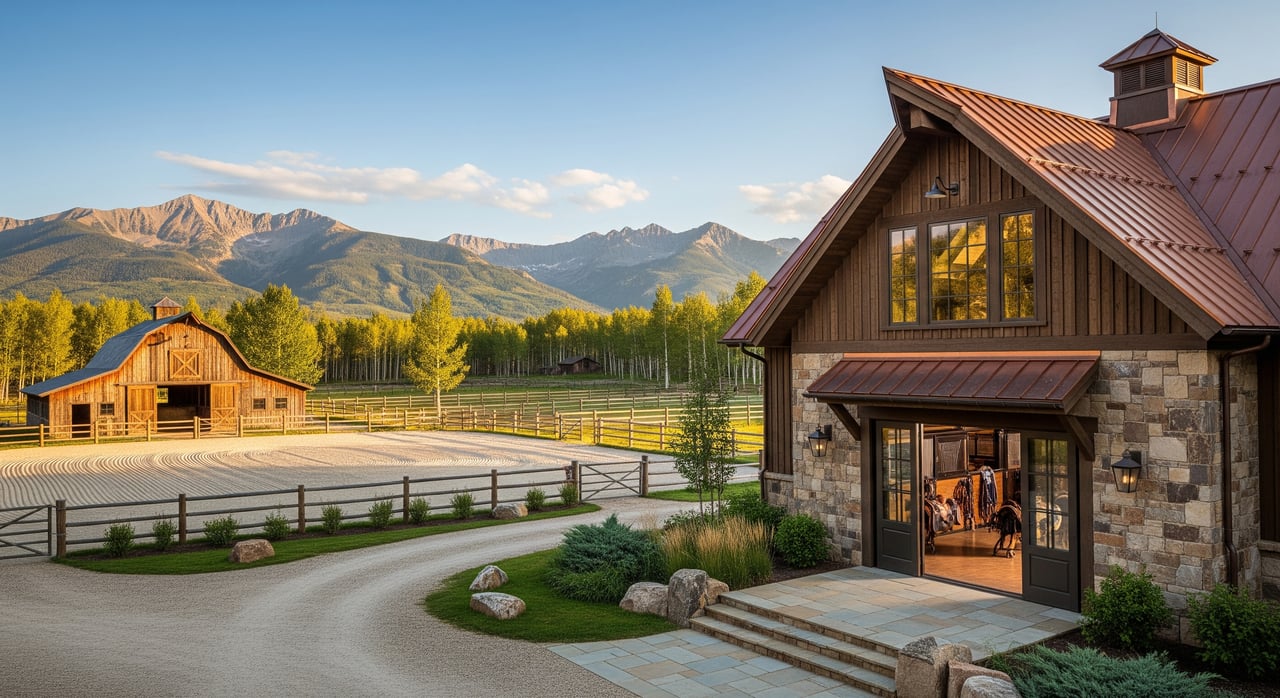
Dreaming about a legacy ranch where your horses can roam and the mountains frame every ride? Old Snowmass offers that rare mix of privacy, pasture, and proximity to world-class amenities. With acreage here, the details matter: water rights, easements, barns, fencing, and winter access all shape your experience. This guide walks you through what to check, who to hire, and how to buy with confidence in Old Snowmass. Let’s dive in.
Why Old Snowmass works for horses
Old Snowmass sits in a high-elevation valley with historic ranches and irrigated meadows. Parcels often include legacy irrigation, private access roads, and recorded easements that support agricultural use. That rural character is preserved by county rules and, in many cases, conservation easements.
If you want functional acreage for horses, you’ll look beyond views and square footage. You need to understand how land use rules, water delivery, and seasonal access affect daily operations. A focused due diligence process can protect both your lifestyle and your investment.
Land use and zoning basics
Pitkin County regulates how acreage can be used, improved, and subdivided. Many Old Snowmass parcels also carry conservation easements or neighborhood covenants. These documents set the limits for barns, arenas, second homes, and commercial activity.
What to review first
- Title commitment with all recorded easements.
- Plat maps and the legal description to confirm lot lines and any building envelopes.
- Pitkin County Planning & Development rules for your zoning district and setbacks.
- Any conservation easement documents that define allowable uses and footprints.
- FEMA and county floodplain overlays if the property borders a creek.
Common local constraints
- Conservation easements may limit subdivision, building size, or commercial boarding.
- Recorded trail or irrigation ditch easements can affect how you fence or build.
- Private road or driveway easements may include shared maintenance costs.
- Septic and well setbacks can shape where a barn or arena can go.
Key questions to answer
- Can you add a barn, indoor arena, or guest house within the envelope and setbacks?
- Are there restrictions on the number of horses or any commercial equine activity?
- Who maintains the private access road, and how are costs shared?
Water, irrigation, and drainage
Water makes or breaks a ranch in Old Snowmass. Colorado follows prior appropriation, so older priority dates generally offer more reliable irrigation in dry years. Most legacy properties rely on ditches, headgates, and ditch company governance.
Confirm your water position
- Water rights and decrees. Verify the type of rights, priority dates, diversion points, and any limitations.
- Ditch company membership. Request recent minutes and assessment history to understand costs and obligations.
- Physical delivery. Locate the headgates and inspect ditches, pipelines, and measurement devices. Clarify who maintains each component.
- Wells and permits. Confirm well permits, allowed uses, and any augmentation requirements through state records.
- Ponds and storage. Existing ponds may carry maintenance needs; new storage can trigger additional permitting.
Practical implications for pasture
- Priority matters. Junior rights can be curtailed in drought years. Know how many acres you can realistically irrigate.
- Efficiency saves labor. Lined ditches or pipelines and measured turnouts help conserve water and time.
- Manage runoff. Plan for drainage, manure handling, and setbacks to protect waterways.
Specialists to engage
A water rights attorney and a water-resource engineer can map irrigable acres and model delivery reliability. Their work helps you align stocking rates, hay production, and irrigation cycles with reality on the ground.
Barns, arenas, and utilities
Outbuildings define daily function and safety. Site planning should account for soil conditions, winter access, snow loads, and utility capacity.
Permitting and site planning
- Confirm permit thresholds with Pitkin County before drawing plans.
- Order soils and geotechnical evaluations for foundations, arena bases, and heavy equipment areas.
- Validate septic system feasibility early. Large operations may require higher-level treatment.
Barn essentials
- Ventilation and fire safety. Separate hay from stalls, ventilate properly, and choose fire-safe layouts.
- Drainage and manure. Design storage and handling areas that prevent runoff into creeks.
- Roof and snow. Size structures for local snow and wind loads, and plan snow-shedding away from entries.
Arena planning
- Base and footing. Grade for drainage and install a stable base before footing.
- Dust and water. Plan dust control and how arena water will be sourced and routed.
- Orientation and lighting. Consider prevailing winds and local restrictions on lighting and noise.
Utilities and services
- Water supply. Confirm well capacity for both the home and barn. Heated or insulated waterers help in winter.
- Electricity. Service is typically via rural lines. Check transformer capacity for barn fans, heaters, and pumps.
- Broadband. Options vary. Plan for backup if remote operations or security systems are required.
- Fuel and chemical storage. Comply with county and state standards for tanks and storage areas.
Fencing, pastures, and wildlife
Horse-safe fencing and thoughtful pasture management protect your animals and your land. In Old Snowmass, wildlife interactions are part of the equation.
Fencing that works
Choose visible, smooth-surface fencing such as post-and-rail or pipe with a safe top rail.
Use wildlife-friendly designs or gates where appropriate to reduce conflicts and property damage.
Build for winter. Set robust posts and plan for snow loading, drifting, and freeze-thaw cycles.
Pasture and animal flow
- Test soils and select forage suited to local conditions.
- Use rotational grazing with paddocks to maintain pasture health and reduce weeds.
- Install frost-proof waterers and insulated supply lines for winter reliability.
Wildlife, predators, and weeds
- Secure night enclosures help deter predators like coyotes.
- Establish a biosecurity plan if you will board or trailer to events.
- Implement a weed management plan to comply with local expectations and protect forage quality.
Winter operations and access
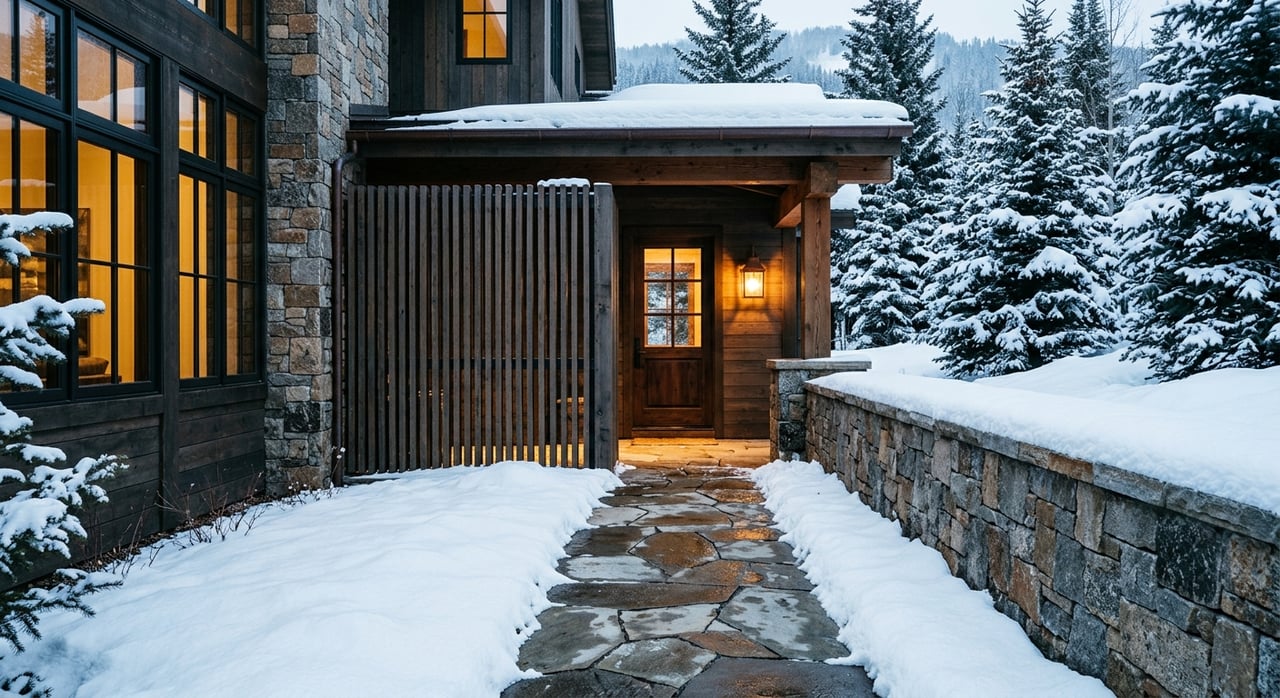
Old Snowmass winters are cold with significant snowfall. Your plan for snow loads, road access, and daily animal care should be clear before closing.
Access and road care
- Clarify who plows private drives and roads. Review road maintenance agreements and budgets.
- Ensure space and storage for equipment like tractors, plows, and loaders.
- Confirm emergency access routes with local fire and EMS. Plan for winter hazards and wildfire season.
Livestock and facility care
- Hay storage. Keep feed protected and ventilated. Confirm delivery access during heavy snow.
- Water systems. Use heated or insulated waterers and bury lines below frost depth.
- Manure management. Plan year-round removal or composting that works in frozen conditions.
Insurance and hazards
- Wildfire risk often requires defensible space and fuel reduction.
- Review floodplain maps for ice jam and spring runoff exposure near creeks.
Your due diligence team
A strong advisory bench saves time and reduces risk. For ranch and equestrian property in Old Snowmass, consider retaining:
- Local real estate or water rights attorney.
- Title company experienced with ranch easements.
- Water-resource engineer for irrigable acreage analysis.
- Structural and geotechnical engineer.
- Septic engineer and county public health consultation.
- Licensed well driller or hydrologist.
- Agronomist or extension specialist for pasture carrying capacity.
- Equine facility consultant or barn designer.
- Fencing contractor with wildlife-friendly experience.
- Arborist for shelterbelts and tree health.
Buyer checklist to stay on track
- Read the full title commitment, easements, covenants, and ditch company bylaws.
- Verify water rights, priority dates, diversion points, and infrastructure condition.
- Confirm ditch company assessments and maintenance obligations.
- Map building envelopes, setbacks, and any conservation restrictions with county planning.
- Pre-check septic and well permits with county health and state agencies.
- Inspect barns, roofs, fencing, gates, roads, culverts, and drainage systems.
- Assess winter logistics: plowing contracts, fuel storage, hay capacity, and emergency access.
- Map any trail easements and confirm public access where recorded.
- Obtain bids for upgrades like arena construction, barn improvements, or fencing replacement.
Budget for ongoing operations
Many buyers underestimate recurring costs. Plan for:
- Ditch company fees and routine headgate or ditch repairs.
- Snow removal and private road maintenance.
- Hay purchases or production inputs, depending on irrigable acres.
- Fence repair and replacement after winter.
- Winterized water systems and energy usage for heated equipment.
A conservative operating budget helps you maintain safety and quality while avoiding surprises.
A practical path to closing
- Start with document review and site walks. Confirm envelopes, easements, and floodplain exposure.
- Order water rights due diligence and infrastructure inspections. Align rights with your pasture goals.
- Run permitting pre-checks. Validate barn or arena feasibility with the county and health department.
- Price improvements. Get local bids before you finalize your offer terms.
- Set a winter plan. Secure plowing, hay, and water system strategies if you will take possession in cold months.
How we help in Old Snowmass
You deserve straight answers and a smooth process. With principal-led service, local market insight, and a network of trusted specialists, we help you evaluate water, easements, outbuildings, and seasonal logistics before you commit. We coordinate the right experts, pressure-test assumptions, and position you to enjoy the property from day one.
Ready to explore the right acreage for your goals? Connect with The Burggraf Group Will And Sarah Burggraf for a private consultation.
FAQs
What permits do I need for a barn in Old Snowmass?
- Pitkin County typically requires permits for new structures and may have specific thresholds for agricultural buildings, so confirm scope, setbacks, and septic impacts with county planning before design.
How do Colorado water rights affect my pasture?
- Older priority rights generally provide more reliable irrigation; a water attorney and engineer can translate your decrees into realistic irrigable acres and delivery schedules.
Can I board horses commercially on my ranch?
- It depends on zoning, covenants, and any conservation easement terms; review documents and confirm with county planning to avoid prohibited uses.
Who maintains private access roads in winter?
- Many ranches rely on recorded road maintenance agreements or private HOAs; read the agreement and budget for plowing and repairs.
What fencing is safest for horses in this climate?
- Visible, smooth-surface rail or pipe with a safe top rail is common for horses, built with robust posts and wildlife-friendly features to handle snow and wildlife movement.
How much pasture do I need per horse?
- Carrying capacity depends on soil, forage, and irrigation; have a local agronomist assess productivity rather than relying on a simple acres-per-horse rule.
How do conservation easements affect building plans?
- Easements may limit building envelopes, total square footage, and future subdivision, so study the easement document early to align plans with allowed uses.