If you have ever scrolled Aspen listings and wondered why “ski-in/ski-out” seems to mean everything and nothing at once, you are not alone. The phrase can signal a true doorstep launch onto the snow or a condo that still needs a shuttle. Your time on the mountain is valuable, so clarity matters. In this guide, you will learn what the term truly means in Aspen, how it varies across the four mountains, what to expect by micro-area, and the exact questions to ask before you buy. Let’s dive in.
What ski-in/ski-out really means
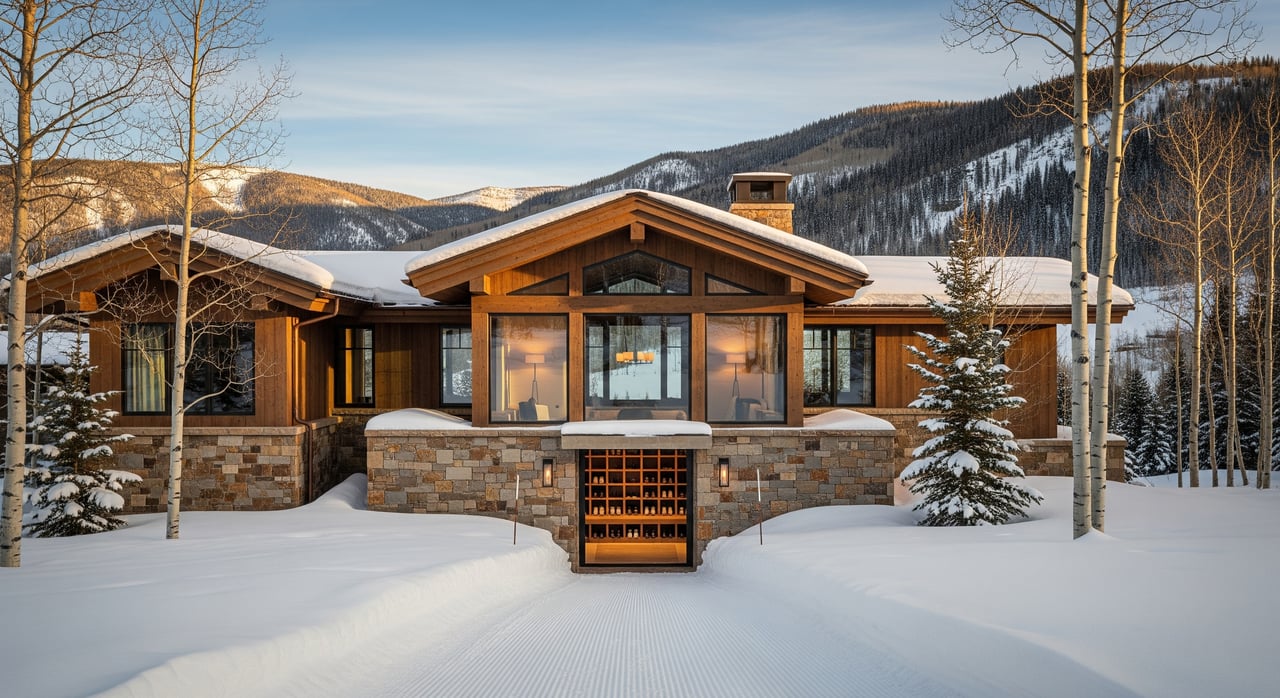
“Ski-in/ski-out” has a strict meaning and a common marketing meaning. Strictly, it means you can ski directly from the property to skiable terrain and back without using a road, shuttle, or a significant walk. That usually looks like a run, trail, or lift platform reachable on skis from the door or with a very short flat glide.
In everyday listing language, the term is broader. You will see it applied to true slopeside buildings, to places with a short walk to a lift, and even to properties that rely on a shuttle. Always confirm how the route works in real life, in-season.
Season and access matter. A path can be skiable in January and not in March when coverage thins, especially on flat or sunny approaches. Some routes rely on private easements or HOA-maintained trails. Ask about legal rights, grooming, and who maintains the path.
The four Aspen mountains at a glance
Aspen Mountain (Ajax)
Ajax rises directly from downtown Aspen with lift and gondola bases in the core. You will find select buildings with immediate access near the base. The terrain is steeper and more advanced, and on-mountain development is limited, so true slopeside inventory is scarce compared with Snowmass. Two buildings a block apart can offer very different day-to-day access.
Snowmass
Snowmass is the hub for purpose-built slopeside living in the valley. The base village has a large mix of condos, townhomes, and hotels designed around lift access. If your priority is true ski-in/ski-out in a multi-unit setting with resort amenities, you will likely focus here. The tradeoff is distance from downtown Aspen’s restaurants and nightlife.
Aspen Highlands
Highlands offers a smaller base area with some slope-front units and homes near the lifts. It is known for terrain like Highlands Bowl that can require hiking for top access. When a property markets “ski-in/ski-out” here, confirm the exact return routes and whether they suit your skiing level.
Buttermilk
Buttermilk has gentler terrain and a compact base with a family-friendly feel. You will see some slope-front lodging and townhomes, along with ski-adjacent properties. Nightlife is limited compared with the core, but access is often straightforward for beginners and intermediates.
Access tiers that matter in Aspen
To shop smarter, use practical tiers rather than a single label.
- True slopeside / doorstep: Skis go on at the building and you are immediately on a run or lift platform. No road crossings, no shuttle.
- Near-slopeside: A short, groomed walk or flat glide, often 5 to 10 minutes or less, connects you to a lift or trailhead.
- Ski-adjacent: A longer walk of about 10 to 20 minutes, a minor road crossing, or a service path is required. In good snow you may still glide part of the route, but it is less convenient.
- Resort-access / shuttle required: You rely on a scheduled shuttle, a gondola a short walk from town, or a drive to the base area.
A few fine points help you set expectations:
- Ski-out can be harder than ski-in. Some properties let you ski downhill to the door but require a lift, hike, or shuttle to start the day.
- Terrain difficulty matters. A narrow or steep connection can be “technically skiable” but not comfortable for beginners.
- Seasonality is real. Flat approaches at lower elevation lose coverage first in warm spells.
Micro-areas: what to expect by location
Downtown Aspen (core)
You are close to the Silver Queen Gondola and lift bases. A handful of buildings offer immediate access or very short walks to the gondola plaza. Many others are best described as ski-accessible rather than true slopeside. The payoff is walk-to-dining convenience that some buyers prioritize over being on the snow.
West End, Red Mountain, and West Aspen
These residential areas can offer scenic settings and, in spots, returns or short glides toward town. Access can be seasonal or involve steeper approaches. Expect variations block by block due to topography, trees, and lift alignments. Plan to verify the exact route from a specific property.
Snowmass Village and base area
This is the valley’s largest cluster of true ski-in/ski-out properties. Many buildings were designed around lift proximity, with ski lockers and groomed access paths. You get strong resort infrastructure and convenience. The main consideration is distance to the downtown Aspen core for shopping and dining.
Aspen Highlands
Inventory is smaller but includes slope-front options near the base. Because some terrain is more advanced, confirm whether the return route is groomed and intended for all levels. If you love the Highlands vibe and a quieter base, this can be a strong fit.
Buttermilk
With its family and beginner focus, Buttermilk has a compact base and a mix of slope-front and ski-adjacent choices. The village footprint is smaller than Snowmass. Many buyers like the approachable terrain and straightforward access, especially for mixed-ability groups.
What changes convenience and value
Several practical factors influence how an access claim feels day to day and what buyers are willing to pay.
- Snow reliability: Depth, weather variability, and mountain aspect shape whether a route stays skiable. North-facing aspects tend to hold snow longer than south-facing slopes.
- Elevation and terrain: Steep or narrow passages are common on Ajax and can challenge less experienced skiers, even if the connection exists.
- Amenities and infrastructure: Ski lockers, boot rooms, private shuttles, covered walkways, and groomed access trails elevate the experience, especially in near-slopeside settings.
- Access constraints and safety: Private property boundaries, recorded easements, avalanche mitigation zones, and road crossings can limit true ski access. Know what is public, private, or HOA-controlled.
- Operating realities: Lift maintenance, wind closures, and grooming schedules can remove access temporarily.
- Cost premium: Genuine slopeside usually commands a premium compared with ski-adjacent or in-town properties. The magnitude varies by building and unit type.
Buyer checklist for showings and HOAs
Use these questions to verify claims and understand daily life at a property.
- Access specifics
- Can you ski directly from the unit or building to a maintained run or lift? Describe the route.
- Can you ski back to the door at day’s end? Does it require crossing a road, using a service path, or navigating ungroomed terrain?
- Are there deeded ski easements, HOA rules, or private rights-of-way that affect access?
- Time and distance
- Exact distance and time from the unit door to the nearest lift or groomed run, in minutes and feet or yards.
- Elevation change between the unit and the base, and whether the return includes flat sections that require skating or walking.
- Seasonal reliability and maintenance
- Who grooms or maintains the route: the resort or the HOA?
- How often are routes closed for grooming, avalanche control, or lift maintenance?
- Infrastructure and services
- Are there ski lockers, boot rooms, private shuttles, or on-site concierge or ski valet services?
- What building features help daily life in winter, such as heated storage, mudrooms, or covered walkways?
- Legal, insurance, and operations
- Any recorded easements, access agreements, or covenants for skiing across adjacent property or roads?
- Insurance or liability considerations related to ski access on or across private land?
- Resale and comparables
- How do sales and price per square foot compare with nearby ski-adjacent and in-town properties?
- Typical occupancy and rental restrictions if you plan to rent.
- Daily logistics
- Parking and vehicle access during winter storms.
- Laundry and drying options for gear.
- Proximity to grocery, medical, and essential services for seasonal stays.
- Microclimate and snow
- Which aspect the property faces and how it affects snow retention.
- Recent season variability and any examples of route closures.
Misconceptions to avoid
- Marketing language equals true access: Not always. A “ski-in/ski-out” label can range from doorstep to shuttle. Verify in person.
- All slopeside is equal: Terrain, stairs, elevators, and flat traverses change day-to-day usability.
- You can always ski back: Return routes can close or become unsafe. Know the fallback plan.
- Near a lift equals private access: Public lifts and private conveyances differ in hours, capacity, and rules.
How to compare two properties quickly
Use a simple, side-by-side test to separate experience from marketing.
- Map the exact door-to-lift route and time it at a relaxed pace. Note stairs, slopes, and flat sections.
- Trace the return route and identify any road crossings or ungroomed sections.
- Confirm who maintains the connection and how weather or wind closures affect it.
- Inspect gear infrastructure: lockers, boot heaters, mudroom space, and covered paths.
- Ask for comps that isolate access differences, such as a similar-size unit with shuttle reliance vs. true slopeside.
Ready to explore your options?
Ski access in Aspen and Snowmass comes in many flavors. The right fit for you depends on how you ski, who you ski with, and how you plan to use the property through the season. When you want a clear, boots-on-the-ground read on specific buildings, routes, and HOA details, work with a team that knows each micro-area and how access performs in real winter conditions.
If you are comparing downtown convenience with true slopeside living in Snowmass or evaluating Highlands and Buttermilk options, we can help you balance lifestyle and investment priorities with confidence. Connect for a private walkthrough plan, access verification, and tailored comps that reflect real ski convenience. Reach out to The Burggraf Group Will And Sarah Burggraf to start the conversation.
FAQs
What does true slopeside mean in Aspen?
- It means you can put on your skis at the building and reach a run or lift platform immediately, then ski back without using a road, shuttle, or significant walk.
Is Snowmass the best place for ski-in/ski-out condos?
- Snowmass has the largest concentration of purpose-built slopeside condos and townhomes, with resort infrastructure designed around lift proximity.
How does terrain difficulty affect ski access near Ajax?
- Aspen Mountain has steeper, narrower passages, so a route can be technically skiable yet feel challenging for intermediate or beginner skiers.
Can ski access change during the season?
- Yes. Snowpack, weather, and sun exposure can reduce coverage, especially on flat or lower routes, making some connections non-skiable in warm periods.
What should I ask about legal access and easements?
- Ask whether there are recorded easements, HOA rules, or private rights-of-way that allow skiing across specific paths, and who is responsible for maintenance.
How big is the price premium for true slopeside?
- Genuine slopeside locations typically command a premium over ski-adjacent or in-town properties, but the size of that premium varies by building and micro-market.