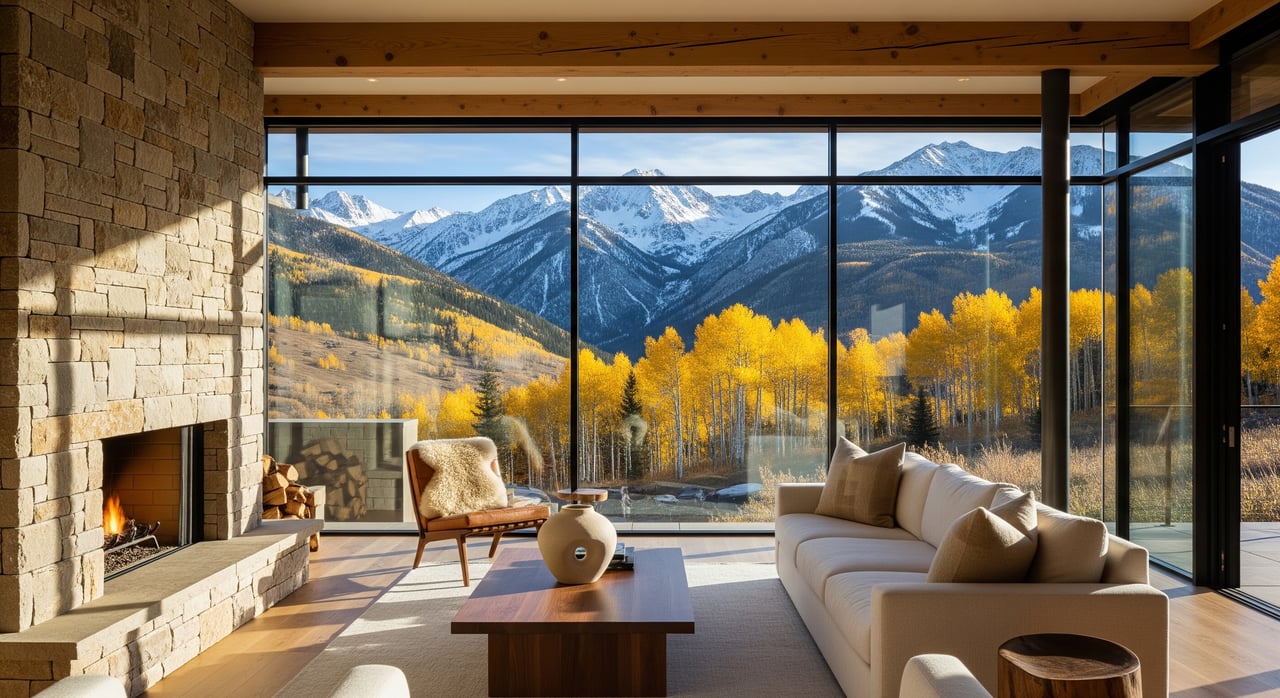
What Living in Aspen, Colorado Is Like Year-Round
Thinking about trading big-city pace for Aspen’s four seasons? The reality is equal parts magic and maintenance, with a rhythm that shifts month to month. If you want a clear picture of daily life beyond vacation mode, you’re in the right place. You’ll learn how the seasons feel, what services you can count on, how to get around, and what to plan for as a full-time resident. Let’s dive in.
Winter: From late November into March or April, ski season sets the tone. Streets and trailheads are lively, restaurants are busy, and you’ll plan around snow days, holiday weeks and event weekends. You’ll value reliable snow removal, winter tires and a warm garage. Social life revolves around the mountains and an active après scene.
Summer: June through September brings festival energy, long daylight and plenty of outdoor time. You’ll notice full calendars for classical music, ideas programming and food and wine, with crowds spread across events and trails. Expect warm days, cool nights and more road construction as projects slot into the dry months. Browse the Aspen Chamber’s listings to track the season’s highlights on the Aspen Chamber & Visitors Bureau events and resources.
Shoulder seasons: April to May and late September to October slow down. You’ll find a quieter, more local pace, with some restaurants on reduced hours. Flight schedules and transit frequency can dip, and variable weather can affect trail access. Many year‑round residents savor these months for calmer routines and easy reservations.
Aspen sits near 8,000 feet, so high‑altitude living shapes daily life. The sun is stronger, the air is dry, and newcomers may feel altitude effects for a few days. Hydration, sunscreen and a measured approach to early activities help you adjust. If you venture into backcountry terrain, check current conditions with the Colorado Avalanche Information Center and carry proper safety gear.
Aspen’s housing market is high‑end, with many second‑home and investment properties. If you plan to live full time, prioritize efficient insulation, snow‑ready systems and service access for winter. Condo and townhome communities often have HOA rules that shape alterations and operations. Short‑term rentals are regulated locally, so review current permits and taxes with the City of Aspen and Pitkin County before counting on rental income.
You can cover daily needs in town, though specialty items may be limited or carry higher prices than large metro areas. Delivery options exist, but availability can shift with seasons. Heating is a major winter cost, so features like good insulation, roof snow management and heated pipes are practical, not just nice to have. Broadband is available in town, but speeds and reliability can vary for remote or hillside properties; test service at the address when you tour.
The closest commercial airport is Aspen/Pitkin County Airport (ASE). Scheduled service varies by season and carrier, and peak periods bring more private and charter flights. Check routes and updates directly with the Aspen/Pitkin County Airport. On the ground, Colorado State Highway 82 is your main artery, and winter driving skills matter. Many residents rely on the Roaring Fork Transportation Authority for local and regional bus service; preview routes and schedules with RFTA.
Parking can be tight in the downtown core. Properties with garage space or off‑street parking are prized for convenience, especially in winter.
You have local emergency and routine care at Aspen Valley Hospital and its clinics. For specialized or high‑acuity needs, patients may be transferred to larger regional centers, depending on the situation. Winter storms or natural events can occasionally disrupt travel and utilities. Keep a small emergency kit at home and stay informed through county alerts and resources from Pitkin County.
The Aspen School District operates public K–12 schools with academics, arts and mountain sports woven into local life. There are also independent school options in the region. Program offerings and class sizes differ from large districts, so review current information directly with the Aspen School District. Childcare can be competitive; consider joining waitlists early if you are relocating with young children.
Aspen’s cultural footprint is outsized for a small town. Year‑round galleries, performance venues and nonprofit institutions anchor the scene, with summer and winter peaks around signature festivals and competitions. Dining is excellent, though the selection is smaller than a major city, and reservations help during peak weeks. Nightlife hums in winter and during festivals, then shifts to a neighborly pace in the shoulder months.
You’ll share town with a mix of long‑term locals, seasonal workers and part‑time residents. That blend keeps Aspen dynamic while fueling community conversations around housing, conservation, transit and tourism management.
Wildfire smoke can affect air quality in late summer some years, and mitigation is an ongoing priority across the valley. Stay current on local planning and preparedness through Pitkin County. Snowpack variability shapes runoff, water management and the length of winter sports seasons. Regulations and operations evolve too, from short‑term rental rules to seasonal flight capacity. The most reliable way to stay ahead is to follow official city and county updates and airport notices.
If you enjoy four distinct seasons, mountain recreation and a tight‑knit community, Aspen can be a rewarding full‑time home. The tradeoff is planning: winter gear, thoughtful home systems and a flexible mindset around travel. Look for properties that match how you live, not just how you vacation. If you want an unvarnished look at neighborhoods, access and ownership options, connect with The Burggraf Group Will And Sarah Burggraf for a private consultation.
Working with Will and Sarah Burggraf means expert guidance through Aspen real estate. With 30+ years of experience, they offer personal, informed, and dedicated service.